Beginning
Mechanized pipeline swabbing methods deliver a significant perk over conventional methods for protecting the soundness of pipelines. These progressive technologies expedite the function of propelling a "pig" – a engineered device – through the conduit to clean off deposits like residue, deterioration, and blockages. By lessening downtime and improving running performance, automatic pigging tools embody a crucial outlay for sectors relying on tube transportation of materials.
Spotless Swabbing : Affirming Pipe Sterility in Food & Beverage Domain
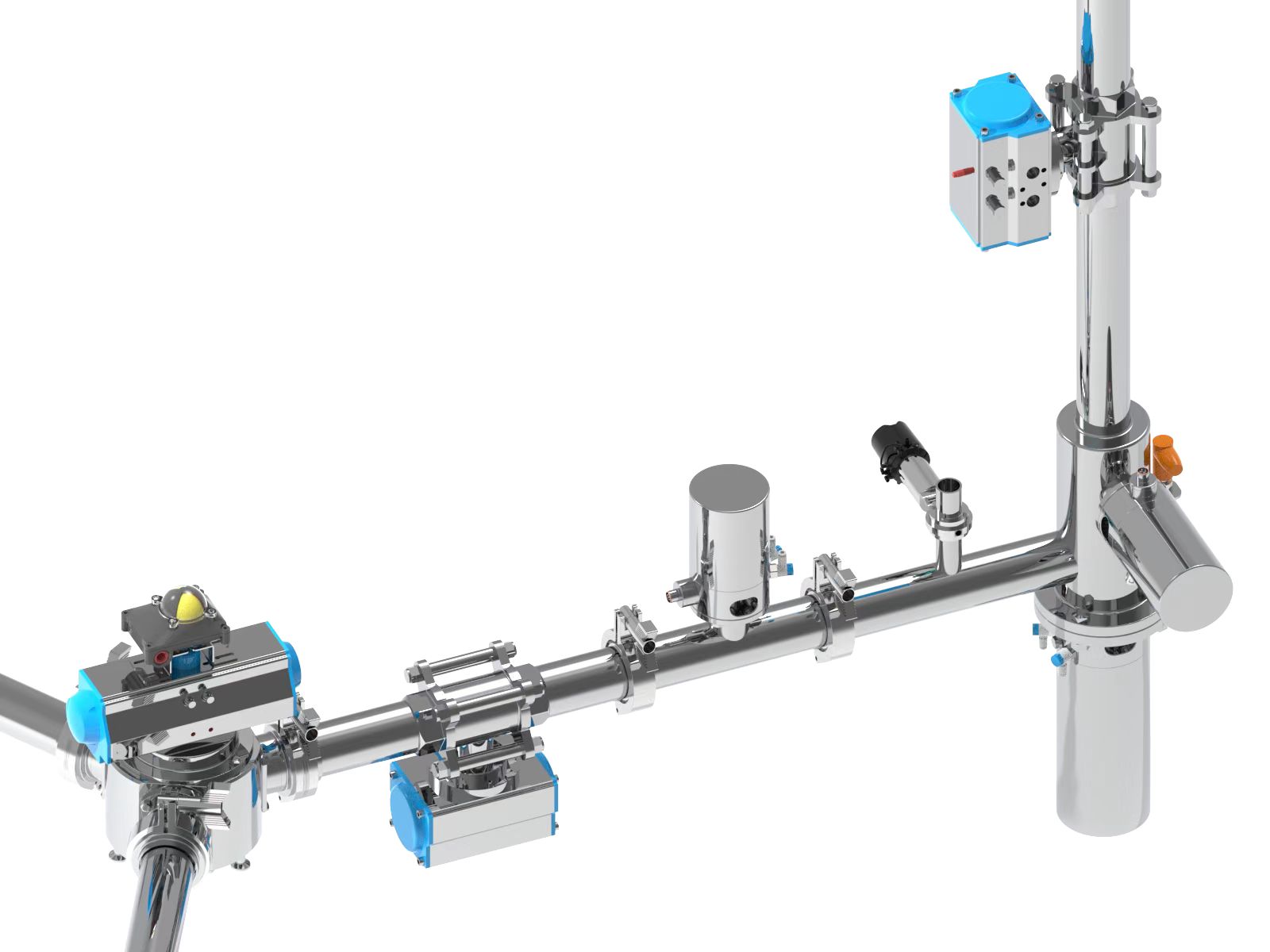
Retaining impeccable cleanliness within edible production facilities is vital, particularly when it comes to pipework used for conveying compounds. Sanitizing purging offers a formidable solution. This innovative technique involves inserting a apparatus – often a foam device – into the line to clear away debris, including germs, and reinstate total purity. Benefits include mitigated hazard of contamination, upgraded item standard, and increased process capacity. Features for implementation include device makeup compatibility with the commodity and pipework construction.
- Lowers taint threat.
- Strengthens product safety.
- Augments efficiency capacity.
Pigging Systems: Elevating Output and Limiting Overflow
Line processes offer a meaningful improvement in conduit functioning for various fields, particularly within the gas and manufacturing sectors. By moving a “pig,” a tailored instrument, through the system, buildup are erased, boosting efficiency and controlling product waste. This generates a decreased charge and a more green policy to capital administration.
This Future About Pipelines: Analyzing Intelligent Pigging Approaches
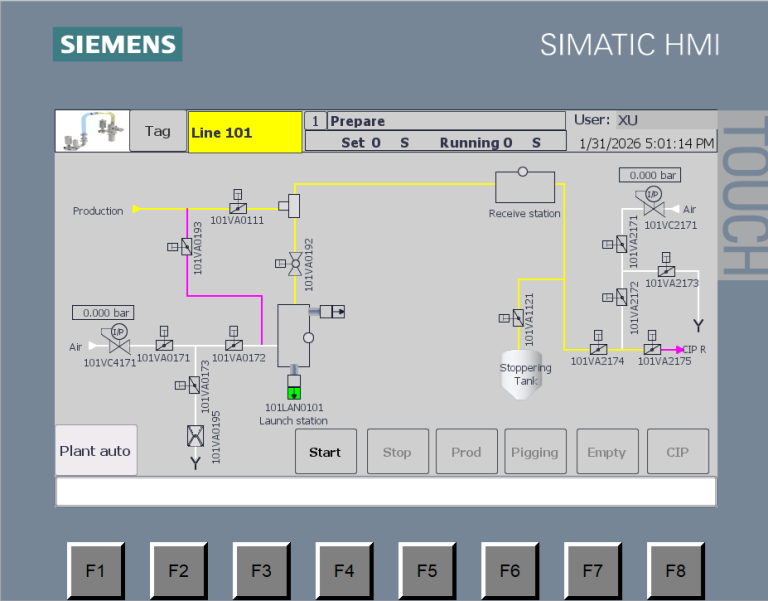
Key future of pipeline management is rapidly being shaped by self-operating pigging tools. Traditionally, pigging routines have trusted on physical intervention, but the advent within autonomous pigs promises improved efficiency, reduced downtime, and strengthened safety. These leading-edge systems apply instruments, information, and artificial intelligence to survey pipelines self-directed, finding defects and performing flushing tasks with notable precision. Expecting widespread implementation, automatic pigging represents a critical step advancing a more reliable pipeline network globally.
Sterile Flushing vs. Handheld Disinfection
Guarding conduit soundness within the edible industry presents a considerable challenge. Historically, traditional purging has been the standard method, relying on laborers to manually scrape debris and impurities. However, this approach is time-consuming, subject to inconsistencies, and can be problematic to fully validate. Uncontaminated scrubbing, on the other hand, offers a cutting-edge alternative. This method utilizes a unit propelled through the pipe to dislodge deposits, providing a better and repeatable disinfection process. Key contrasts include:
- Price: Physical sterilizing often involves significant labor payments, while cleaning has early investment reduced overall expenditures.
- Effectiveness: Scrubbing generally offers better capability compared to person strategies.
- Validation: Attesting the rigor of flushing is clearer with pigging due to documentation capabilities.
- Welfare: Handheld sanitation can expose technicians to dangerous conditions, whereas flushing diminishes this risk.
Integrating an Self-operating Pigging Approach: Proven Methods
Skillfully rolling out an self-acting pigging technology requires comprehensive coordination and adherence to industry best guidelines. In the beginning, implement a meticulous evaluation of your line to discover the definitive barriers requiring pigging. This encompasses assessing the kind of deposit, the place of halt points, and the complete condition of the infrastructure. Subsequently, opt for a pigging arrangement ideal for your special operational needs.
Additionally, focus on full mentoring for assistants assigned in the function practice. This is necessary to include instruction on safe handling of the equipment and understanding of emergency protocols.
- Regularly scrutinize the unit and coupled portions for defects.
- Initiate a resilient support regimen.
- Catalogue all purging cycles and related information.
- Consider the ramification on tube force and commodity standard.
In closing, continuous assessment and tuning of the process plan are vital for achieving functionality and enhancing the conduit’s serviceable service life.
Fixing Everyday Obstacles in Sterile Pipeline Cleaning Platforms
Dependable running of sanitary pigging systems often entails scheduled problem-solving. Consistently, clutters due to product buildup are found, which could be resolved through exacting inspection with appropriate implements. What's more, decreased flow reveal compromised cleaning elements or in-pipe deterioration. Regular care, including cleaning device taking off and careful consideration of pipe form, is crucial to cut closures and ensure greatest output.
Computerized Inspection Platforms for Manufacturing Pipes
Automated flushing offers substantial upsides for industrial ducts, significantly boosting operational output. The method provides a assortment automatic pigging system of upsides, including reduced breaks, minimized tending expenditures, and improved material grade.
- Curtailed pressure shortfall leading to energy conservation.
- Enhanced tube soundness, warding off fouling.
- Improved output by scraping deposits.
- Boosted security for crew and the surroundings.
Economic Benefits with Pristine and Automated Pigging Processes
Implementing sterile and self-operating rinsing solutions offers substantial expense reductions for pipe operators. These state-of-the-art technologies minimize good loss due to residual deposits, significantly decreasing spoilage. Beyond substance recovery, purging solutions curtail the frequency of timed duct shutdowns for overhaul, translating to expanded productive hours. Furthermore, the limited need for manual labor and additive consumption further enhances the overall economic efficiency of your business.
- Decreased Substance Loss
- Greater Process Throughput
- Minimized Human Intervention Requirements