d
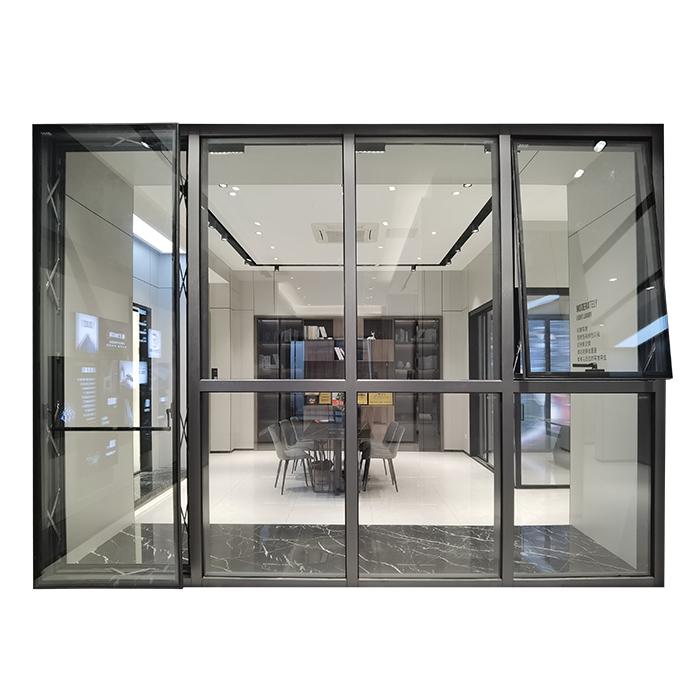
Composite formation architectural facades constitute a favored way to building envelope design , presenting substantial gains for recent frameworks . That mode involves the fitting of isolated , prefabricated sections – typically comprising aluminum structures and transparent covers – progressively on-site. Unlike counterpart curtain wall systems, the stick system allows for increased design elasticity and user-friendly adjustments at the fabrication phase. The aftermath is a visually appealing and green façade, improving to the overall efficiency of the project .
Opting for the Correct Curtain Wall Company : Vital Features
Determining a reliable curtain wall supplier is fundamentally important for undertaking success. Rigorously assess their experience and monetary stability; a sound company demonstrates sustained commitment. Inspect their collection for related experience in designated edifice kind . Plus , audit their {quality management procedures and qualifications, validating compliance with regulatory regulations. Finally, seek assorted offers and scrupulously review them based on tariff , quality proficiency , and customer assistance .
A Beauty and Benefits of Transparent Wall Claddings
Translucent facade structures offer a remarkable blend of aesthetic appeal and practical functionality. They provide buildings with a sleek, contemporary appearance, maximizing natural light and creating a sense of openness. Beyond their visual impact, these coverings contribute to elevated energy efficiency through the use of advanced glazing technologies, cutting down heating and cooling costs. Furthermore, this technology can increase property marketability and create a more inviting environment for occupants, ultimately making them a preferred choice for architects and developers alike.
Aluminum Architectural Surfaces: Sturdiness and Structural Adaptability
Aluminum protective layers offer a remarkable integration of toughness and aesthetic adaptability for modern buildings . The systems are essentially shielded to decay , delivering a durable exterior lifespan . As well , the aptitude to tailor the structural metal plates supports architects to build truly distinctive and conceptually remarkable building envelopes. Starting with simple, understated designs to sophisticated geometric patterns , lightweight metal facade systems provide extraordinary design latitude .
Comprehending Unit Surface Designs concerning Building Covers
Piecewise wall layouts represent a prevalent system for fabricating next-generation building facades . Unlike assembled systems, stick coverings are generally created in the field from distinct components of structural metal. This enables improved artistic flexibility and often meet challenging building forms . Although this positive aspect , stick systems usually demands a increased degree of manual exertion and thorough synchronization during mount .
Façade Wall Companies: Dynamics and Innovations
The curtain wall production sector is presently experiencing a substantial evolution driven by several key movements. Amplified demand for sustainable edifice practices is enhancing the application of revolutionary materials, such as enhanced glass and recycled composites. Modular construction techniques are also receiving prominence, providing quicker project schedules and minimized on-site personnel costs. In addition, BIM (Building Information Modeling) is transforming the engineering and manufacture processes, leading to improved precision and cooperation between architects and manufacturers. Finally, the push for more subtle and more ornate shells necessitates ongoing analysis into original processes.
Curtain Wall Design: Optimizing Light and Perspectives
A major strength of progressive glass wall system design is its capacity to amplify both natural light penetration and breathtaking outlooks . Architects and engineers diligently plan these structures to reduce obstructions and fine-tune transparency, creating open interior rooms . The choice of high-performance glazing, often employing low-E coatings and tailored treatments, is essential for obtaining both aesthetic goals and environmentally friendly building operation . Properly engineered glass enclosures can significantly enhance the occupant experience and boost the overall desirability of a structure.
Aluminum Architectural Envelopes Placement : Top Approaches and Challenges
Successfully mounting an lightweight metal curtain wall build demands strict adherence to recognized best techniques. Exact alignment of parts is critical to ensure environmental sealing and architectural resilience . Nevertheless , a variety of obstacles frequently come up. These can comprise multifaceted architecture , demanding site conditions , teamwork between experts, and ensuring stringent tolerances . Furthermore, coping with thermal expansion and probable hydrate exposure require specialized familiarity and cautious attention . In conclusion , all-encompassing forethought and reliable QA are fundamental for a resilient and visually appealing curtain wall.
Modular Frameworks : A Analytical Analysis
When choosing your curtain wall framework , builders frequently face the choice between modular systems . Stick systems include unique mullions and glass sections put in place progressively on premises , granting for expanded variety scope . Differently, unitized systems encompass pre-made modules that are developed off-site and then transported to the edifice for putting in place. This replacement system habitually causes timely fabrication spans and curtailed in situ workforce , while can limit design .
 curtain wall manufacturer